





Built by a dad for his daughter, who was still finding her words. Now for every child learning to talk.

Speech practice that feels like play.

Ages 2–8 · 520 talking flashcards · 157 speech games · read-aloud stories — free in your browser, no login

Little Words gives kids ages 2 to 8 a patient AI bunny named Buddy to talk and play with — plus a free web toolkit of talking flashcards, speech games, and read-aloud stories that play right in your browser. At their own pace, with parent controls and no pressure to perform.

Download on the App Store

Free in your browser — audio on everything, no login. For parents · for SLPs · pricing

Not on iPhone yet? We'll email you occasional Buddy news, nothing more.

Now on the App Store Free on iPhone & iPad Made for every child learning to talk

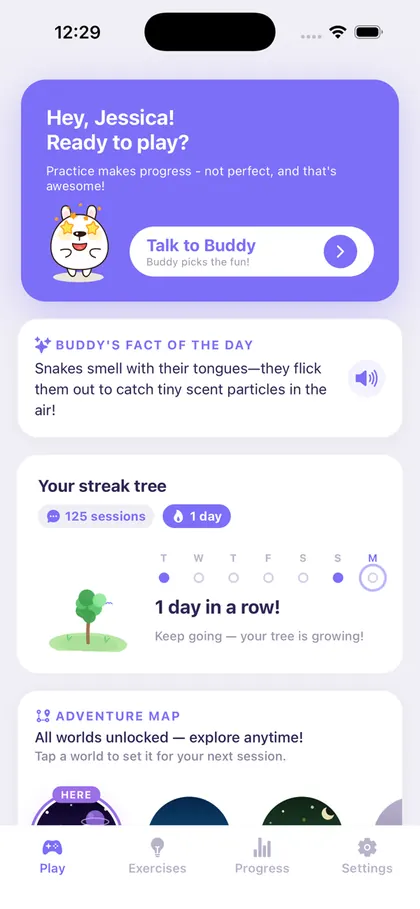
The Little Words app showing Buddy ready to play
meet Buddy no pressure to perform
Now on the App Store Free on iPhone & iPad Voice-first, no eye contact required Works alongside speech therapy
Meet Buddy

A patient friend who meets your child where they are.

Buddy is a voice-first practice companion for children learning to talk or working on speech goals. No eye contact required. No sitting still. Just a patient voice that plays on their terms, and never gets frustrated.

Little Words app: meeting Buddy
Meet Buddy
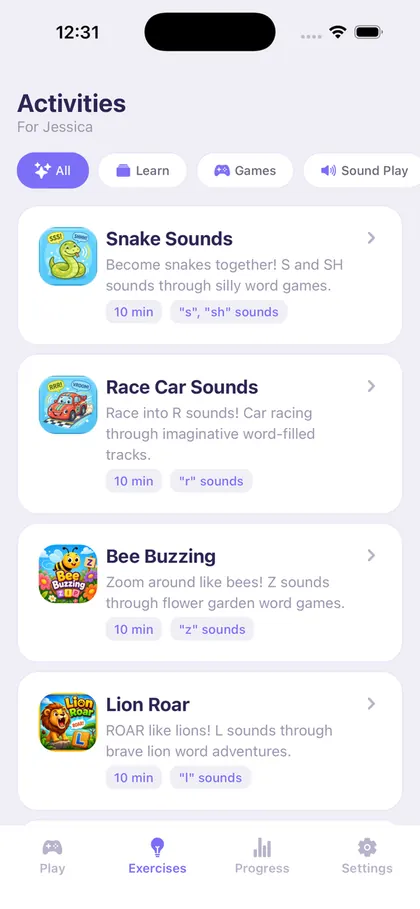
Little Words app: activities and games
Activities & games
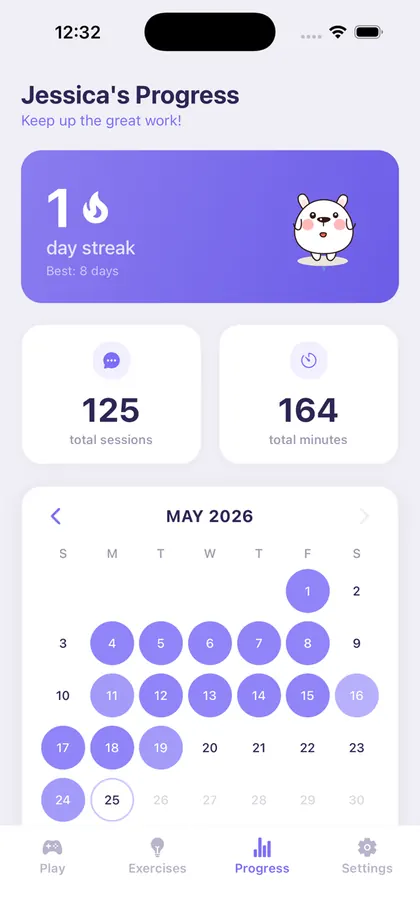
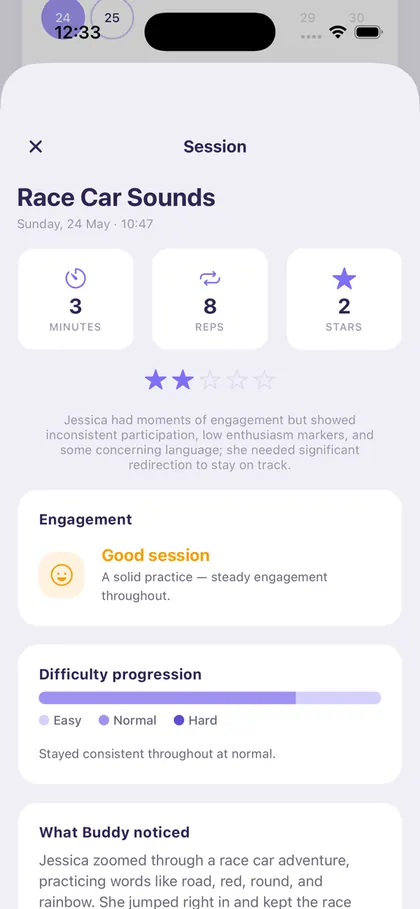
Little Words app: tracking progress
Track progress
Little Words app: playful speech practice
Playful practice
Download on the App Store
QR code to download Little Words on the App Store
Point your iPhone camera here to download. Free on iPhone & iPad.
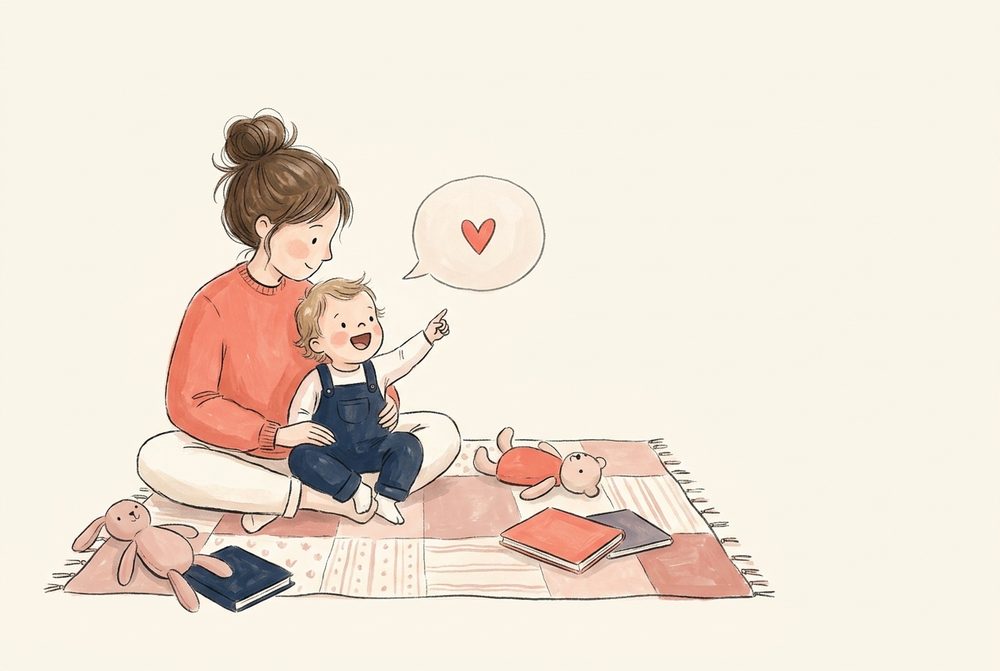
A parent and child practicing together at home
Why this exists
"I built this because my daughter needed a little more time to find her words. And I wanted to help."

My daughter turned four in September. She has a significant speech delay, sensory sensitivities, big emotions, and a mind that moves in its own beautiful way. She is in speech therapy once a week, but between appointments I felt like I was supposed to be doing so much more at home and did not know how. The flashcards lasted two minutes before a meltdown. The exercises assumed she would sit still, make eye contact, and repeat on command, and the harder I pushed, the more she shut down. I am an engineer and I work with AI, so I started building something just for her: a little character called Buddy that meets her where she is. No eye contact required, no sitting still, just a patient voice that plays on her terms. She will sit with Buddy for ten to fifteen minutes, far longer than she will practice with me, because Buddy never gets frustrated and never makes a face when she says something wrong.

Will, founder of Little WordsND dad first

Every sound is a victory

The moments that make it all worth it.

Every attempt matters. These illustrated moments show the feeling; real family stories will live here as Buddy meets more kids.

Illustrative
Toddler saying more
A first word · "more!"

She'd reach and fuss every morning. This week she asked, out loud, and beamed.

Parent of a 2-year-old
Illustrative
Toddler pointing at a dog
A first word · "doggy"

A year of pointing at every dog. Then she named one, and I cried in the park.

Parent of a late talker
Illustrative
Child reaching up
A first word · "up"

Two weeks of practice at the stairs, and now he asks with a word instead of a whine.

Parent of a 2-year-old
Your child has something to say

Give them a patient friend to say it to.

Every sound is a victory. Every attempt matters. Every child deserves a friend who meets them exactly where they are. Little Words is free to download today.

Download on the App Store
QR code to download Little Words
Not on iPhone yet, or prefer email? Get occasional Buddy tips and news, nothing more.
Good questions

Answers before you ask.

Can a minimally speaking or autistic child use Little Words? +

Little Words supports low-pressure sound play, turn-taking, simple choices, and communication games without requiring eye contact or sitting still. Every child communicates differently, so choose activities that fit your child and coordinate with their speech-language pathologist when appropriate. Little Words does not diagnose or replace therapy.

What about ADHD? My kid can't focus on speech exercises. +

Buddy uses your child's interests, short turns, and parent-selected pacing to make home practice feel more like play. You can keep a session brief, switch activities, or stop whenever your child is tired or overwhelmed.

What conditions is this designed for? +

Little Words is designed for children ages 2 to 8, with support for older children through age 10. It can support children who are learning to talk, want extra speaking practice, or have parent- or clinician-identified communication goals. It does not assess or treat a disorder.

My child has sensory sensitivities. Is this overwhelming? +

Parents can choose a calmer sensory preset and slower pacing, keep sessions short, and stop at any time. The app cannot reliably detect distress, so an adult should supervise and follow the child's cues.

How is my child's data protected? +

A parent account and parental consent are required before child voice features are used. Little Words does not store raw voice audio in its database, limits detailed conversation retention, does not sell child personal information, and provides data export and deletion controls. See our Privacy Policy for current providers and retention periods.

Can I share progress with our therapy team? +

You can export a caregiver-owned home-practice summary showing activities completed, automatic word-recognition signals, and practice highlights. Share it for discussion if useful. It is not a clinical assessment or diagnosis.

Is it available now? +

Yes. Little Words is live on the App Store and free to download for iPhone and iPad. Search for "Little Words" on the App Store or tap any download button on this page.

When to reach for more help

Little Words is home practice support that works alongside speech therapy, never in place of it. It cannot evaluate, diagnose, or treat a speech or language condition. If your child is missing communication milestones, losing words, or is hard to understand, talk with your pediatrician or a speech-language pathologist. In the United States, infants and toddlers can start early intervention under IDEA Part C, and school-age children receive special education and related services under Part B. See IDEA at ed.gov and ASHA's late language emergence page, both checked August 10, 2026.